Are you looking to knowWhich Blockchain Networks Do Crypto Casinos Primarily Integrate? then read this article to find out Which Blockchain Networks Do Crypto Casinos Primarily Integrate
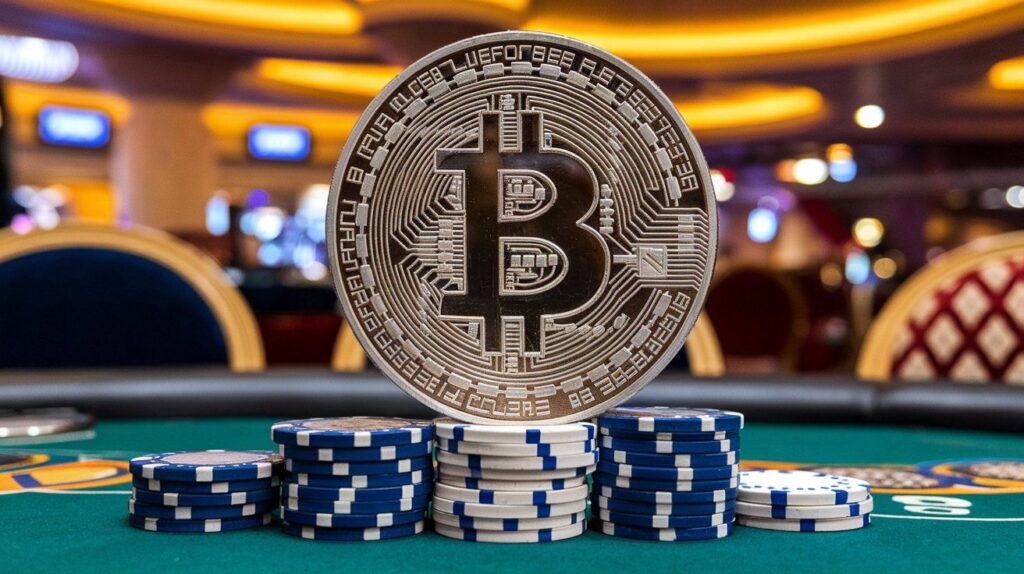
A cryptocurrency gambling platform selects blockchain networks based on transaction speed, fees, and user adoption. Deposits and withdrawals are affected by integration choices. There are now faster and cheaper alternatives to Bitcoin. what are the top no-kyc crypto casinos available today? Games have built reputations for accepting cryptocurrency without identity verification while supporting multiple blockchain networks simultaneously for player convenience.
Bitcoin remains dominant
Most crypto casinos still build their core operations around Bitcoin. The network’s recognition among gamblers exceeds any competing cryptocurrency by substantial margins. Players trust Bitcoin since it has been operating continuously since 2009 without major protocol security failures. Bitcoin is the only crypto users hold, which makes it essential for casinos. The Lightning Network has changed how casinos handle Bitcoin transactions. This second-layer protocol enables near-instant transfers with minimal fees compared to on-chain transactions. Casinos can now credit Bitcoin deposits within seconds rather than waiting thirty minutes for block confirmations. Withdrawals process just as quickly, eliminating the frustration players experienced with traditional Bitcoin transactions during network congestion periods.
Ethereum smart contracts
Smart contracts provide provably fair gaming through Ethereum integration. Blockchain records every calculation publicly, so players know they were not manipulated. A transparent online casino attracts gamblers who question fairness claims. The network supports feature beyond simple value transfers:
- Token-based loyalty programs with verifiable scarcity
- Decentralized game logic preventing operator interference
- Automated jackpot distributions through coded rules
- NFT rewards and collectible systems
Gas fees on the Ethereum mainnet sometimes exceed deposit amounts for small transactions. Casinos mitigate this by batching withdrawals or suggesting minimum deposit thresholds. High rollers rarely notice the fees, but recreational players depositing $20 find $15 gas charges unacceptable.
Layer two solutions
Polygon has become the preferred scaling solution for Ethereum-based casino operations. The network settles transactions for fractions of a penny while maintaining security connections to the Ethereum mainnet. Casinos can offer the same smart contract functionality that makes Ethereum attractive without forcing players to pay prohibitive fees. Implementation benefits include:
- Sub-second transaction confirmations
- Gas fees under one cent for most operations
- Full compatibility with existing Ethereum wallets
- Bridge connections allowing easy fund movement
Arbitrum and Optimism serve similar purposes with different technical approaches. Some casinos support multiple layer-two networks, letting players choose based on their existing holdings and preferences.
Network selection criteria
Casinos evaluate blockchains based on several practical considerations. Developer familiarity matters because integrating unfamiliar networks requires hiring specialized talent or extensive training. A casino comfortable with Ethereum can add Polygon support relatively easily. Adding Solana requires learning entirely new programming languages and infrastructure patterns. Liquidity depth determines whether casinos can actually use a cryptocurrency operationally. Supporting an obscure altcoin means nothing if the casino can’t convert winnings to fiat or more stable assets. Networks with thin order books create problems when casinos need to liquidate large amounts quickly. Exchange listing quality factors into these decisions as much as the blockchain’s technical merits.
Player demand drives adoption more than technical superiority in most cases. Casinos add Dogecoin support not because it offers unique technical advantages but because substantial player populations hold and want to gamble with it. Market capitalization serves as a rough proxy for user interest that guides casino integration priorities.